Survey first, removal only if needed
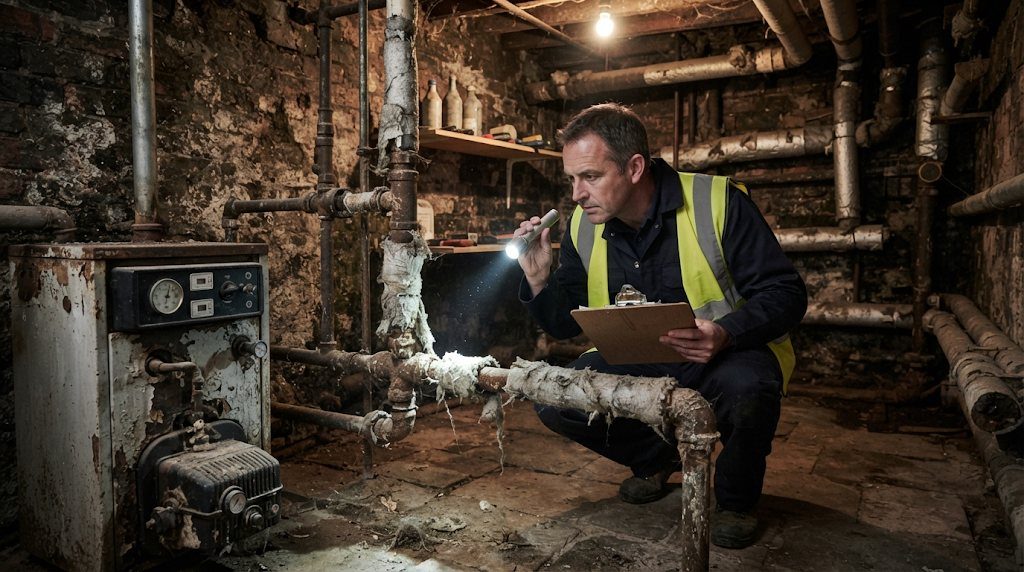
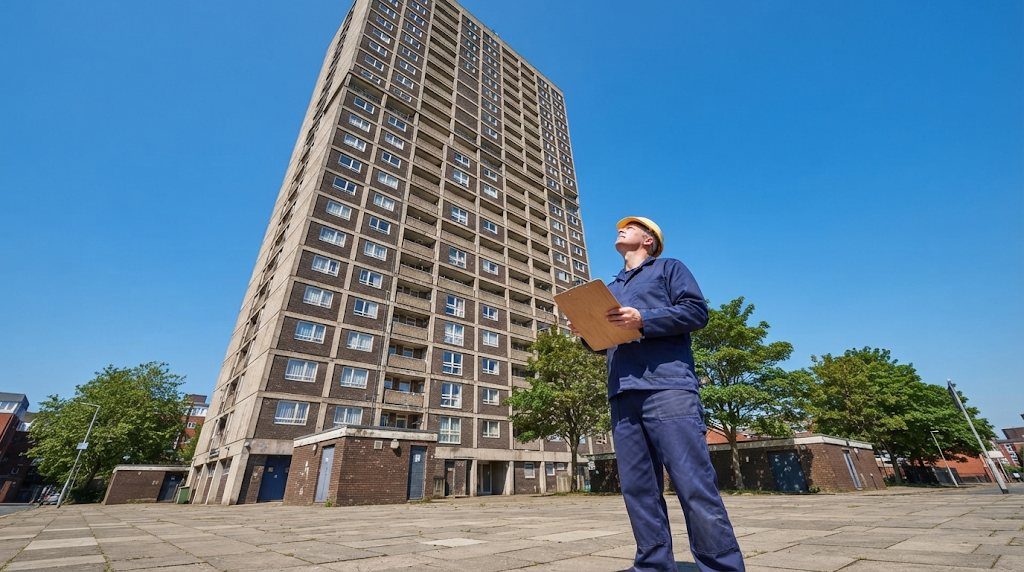
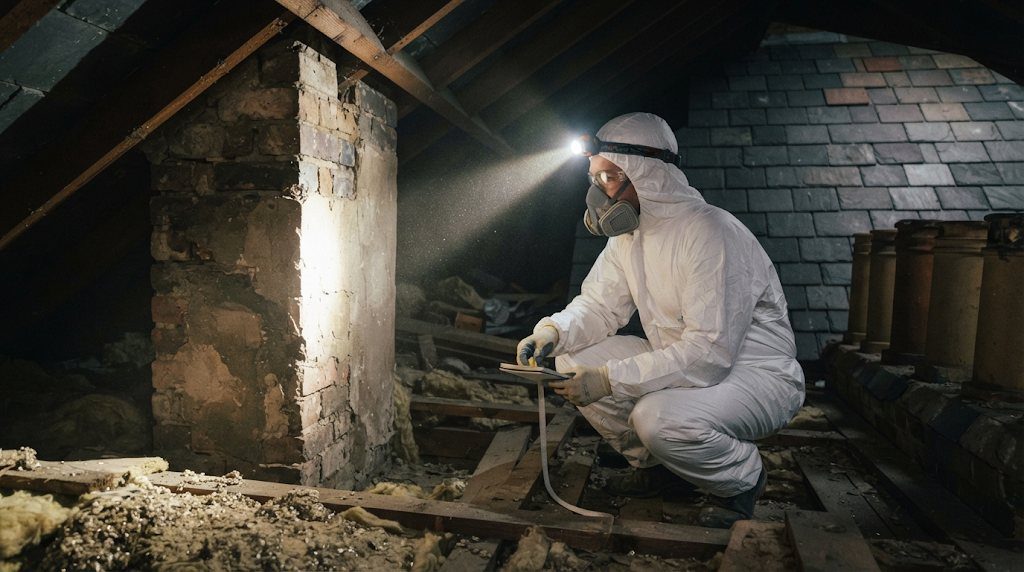
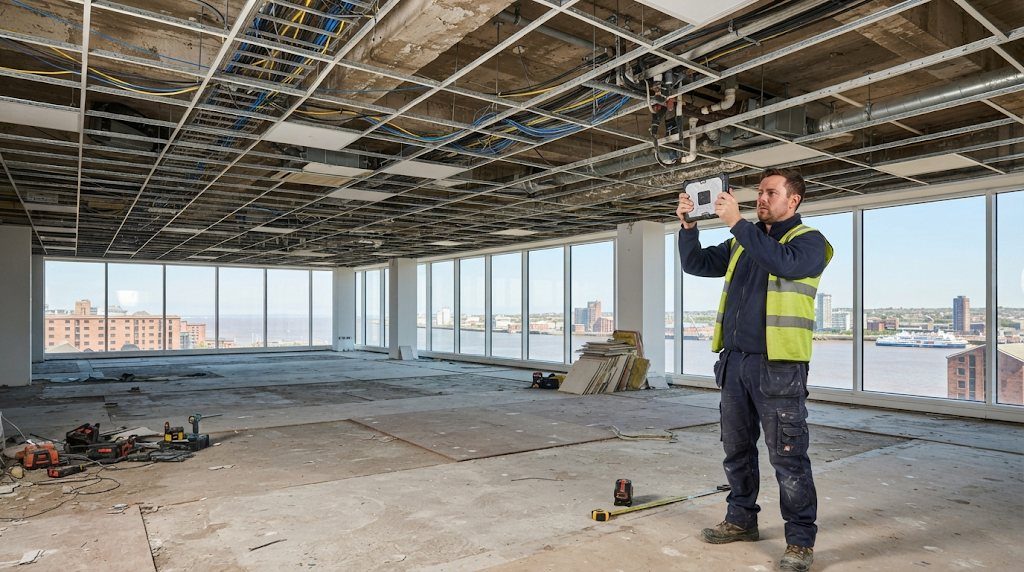
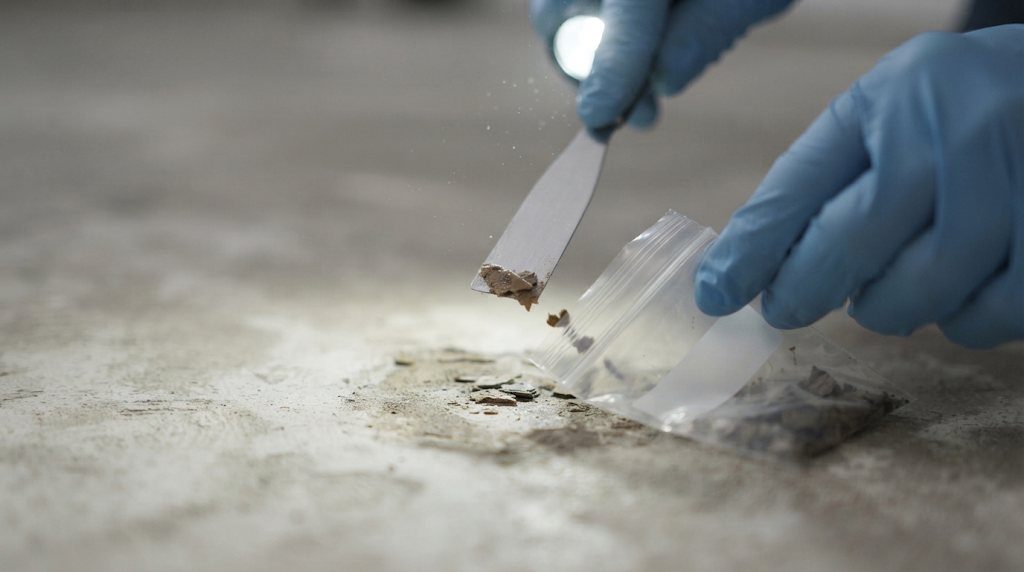
A great deal of asbestos is safest left alone. Materials in good condition that are not going to be disturbed can be recorded, labelled and monitored rather than removed. Removal is justified when the material is damaged, when it is in the way of planned work, or when it cannot be managed safely in place. That is why we start with an independent survey: it tells you what you have and what, if anything, needs to come out, before anyone gives you a price for removal.
We do not carry out removal ourselves. When your survey shows removal is needed, you can request a quote and we will connect you with licensed asbestos removal contractors who cover your area. You can also use the survey report to obtain your own quotes elsewhere.
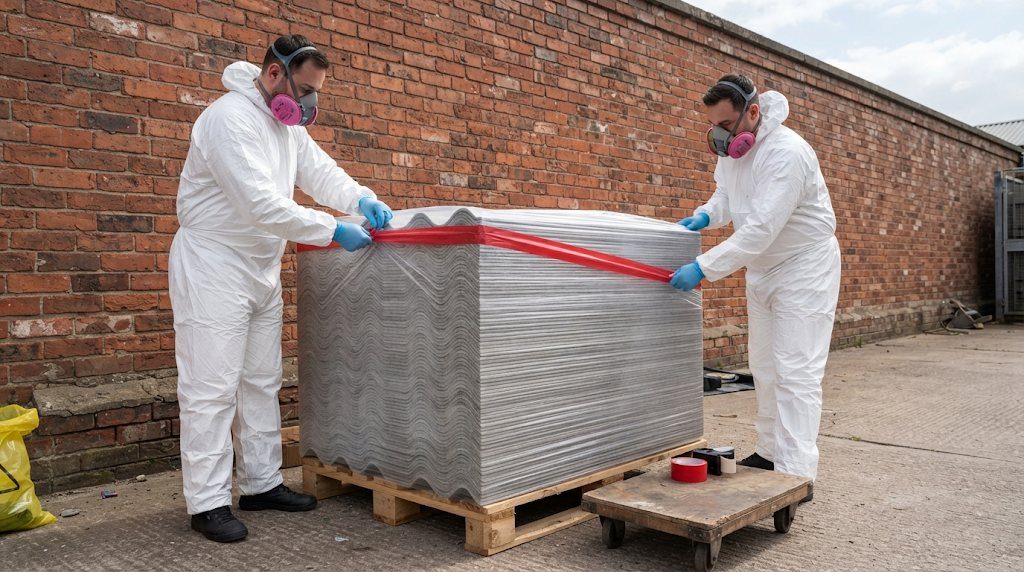
Removal in Liverpool follows the same rules as anywhere in England. Licensed work is notified to the enforcing authority, which for most sites is the HSE, and waste must go to an authorised facility with a consignment note. Small amounts of cement sheet can sometimes be removed by non-licensed contractors who are trained to do so, but the survey decides which route applies.
Licensed and non-licensed work
Under the Control of Asbestos Regulations 2012, work with the highest-risk materials, including sprayed coatings, pipe and boiler lagging and most asbestos insulating board, must be done by a contractor holding a licence from the Health and Safety Executive. Licensed contractors must notify the enforcing authority at least 14 days before starting. Some lower-risk work, such as removing intact asbestos cement or textured decorative coatings in some circumstances, can be done by trained non-licensed workers, and some of that work is notifiable too.
Whoever carries out the work, ask to see their evidence before you sign: for licensed work, the HSE licence and its scope, and for all work, the asbestos training of the operatives and their insurance. This is what you should expect to be shown, and we make no assumptions about any contractor on your behalf.
How a controlled removal works
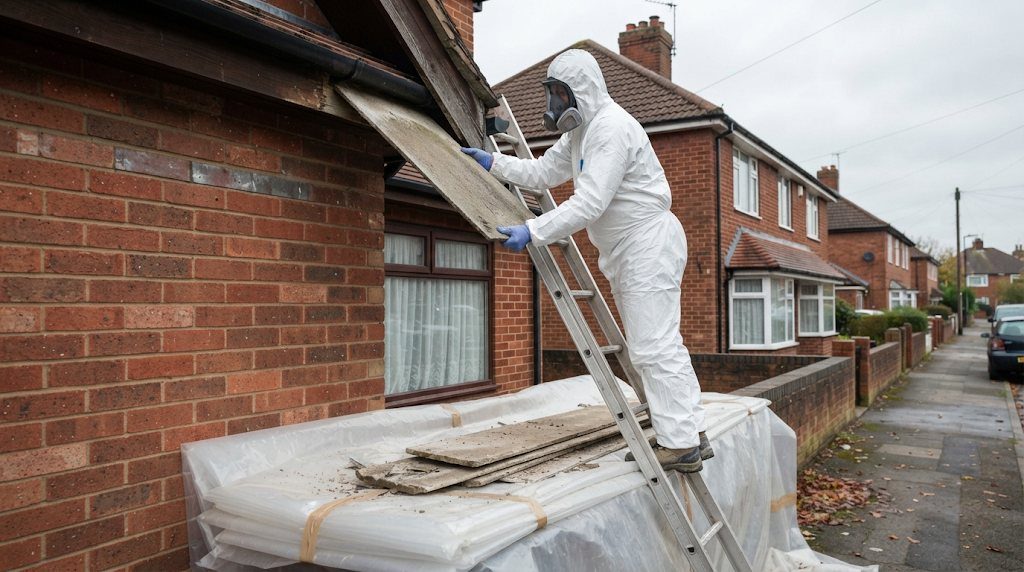
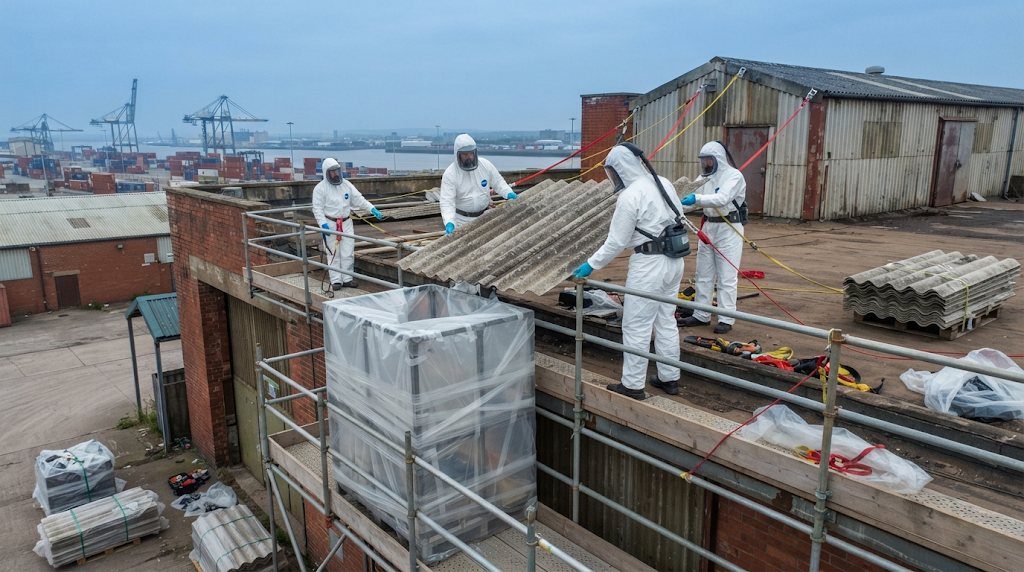
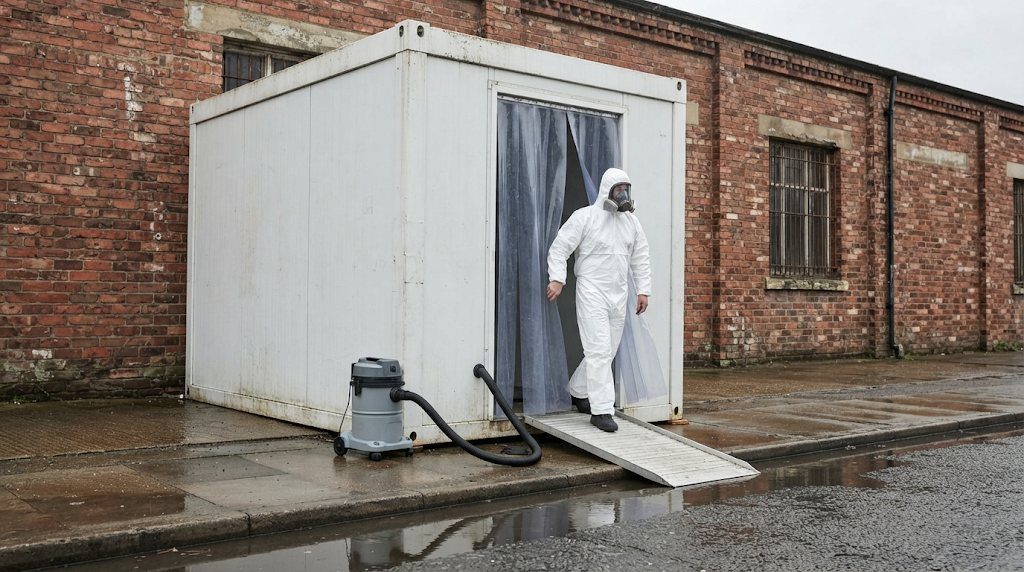
For licensed work, the area is sealed with polythene and negative-pressure units, operatives work in a controlled enclosure with decontamination facilities, and the material is wetted and removed with minimum breakage. Asbestos waste is double-bagged, labelled and sent to a suitably authorised landfill site by a registered carrier, with a hazardous waste consignment note as your paper trail.
After licensed removal, an independent analyst should carry out a clearance check before the area is reoccupied: a thorough visual inspection and, for enclosures, air testing, followed by a certificate of reoccupation. The analyst should be independent of the removal contractor.
How to request a quote
Use the form to tell us the postcode, the type of property and what the survey found. You can upload photographs of the material and the surrounding area, which helps a contractor judge the scale. If you do not have a survey yet, choose the survey option, because a survey is required before any reliable removal quote can be given. You are not obliged to use anyone we introduce.